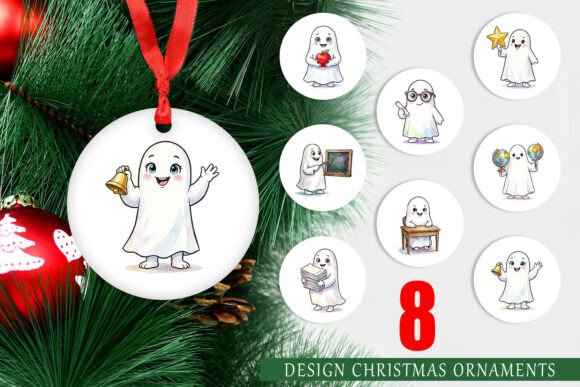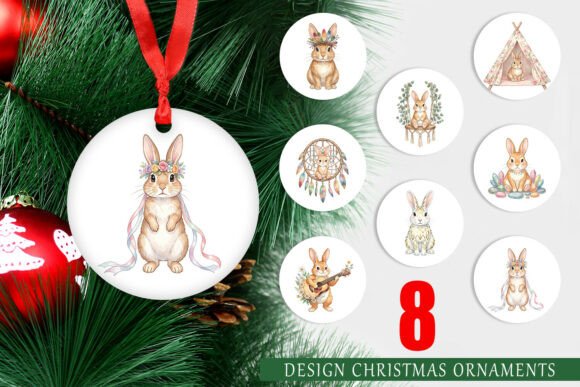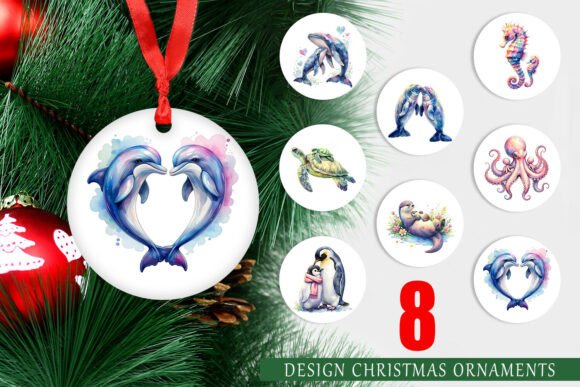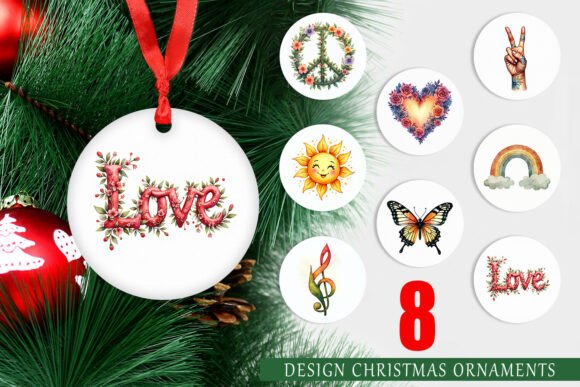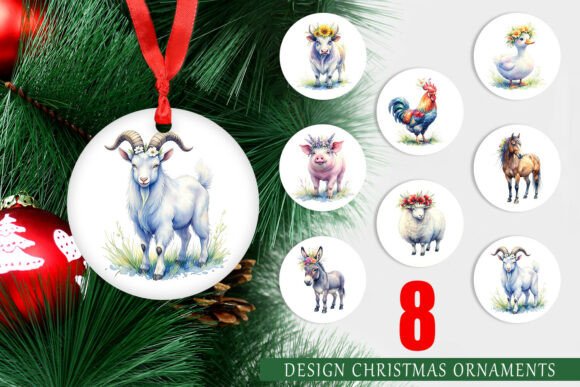
Watercolor Flower Crown Animal Ornament: A Versatile Illustration for Creative Projects
The Watercolor Flower Crown Animal Ornament is a graphic design asset that immediately stands out for its delicate, whimsical charm. As a seasoned designer, I always look for illustrations that can bring personality and visual interest to client projects without overwhelming the message. This particular design fits that bill—offering a soft, artistic touch with a clear focal point.
Ethnic Elegance Meets Modern Branding
When I first examined this illustration, I was drawn to the way it balances realism and fantasy. The animal features are stylized yet recognizable, while the watercolor flowers add a dreamy, hand-painted quality. This style resonates well with brands in the handmade, wellness, or artisanal space—particularly those targeting a younger, more creative audience.
The ornamental feel of the crown suggests a thematic use rather than a literal one. It’s not just an image; it's a symbol. That makes it ideal for editorial layouts, seasonal campaigns, or boutique product lines where storytelling is key. If you're working on a brand identity that leans into nature, folklore, or fantasy elements, this illustration could be a great fit.
Applications in Real-World Design Scenarios
In my experience, the right illustration can elevate a project from good to memorable. Here’s how the Watercolor Flower Crown Animal Ornament performs across various applications:
- Product Mockups: Placing this ornament on a greeting card or sticker mockup adds a layer of sophistication and creativity. Its intricate details make it pop when layered over clean backgrounds or subtle textures.
- Social Media Graphics: For Instagram posts or Pinterest pins, the ornament brings an organic, eye-catching element. It works especially well in hero images for seasonal content like spring collections or festival promotions.
- Printable Designs: Whether it's wall art, printable stickers, or digital downloads for Etsy shops, this illustration maintains clarity and charm at different scales. Its file formats (assuming PNG and SVG availability) allow for crisp edges and transparent backgrounds, which are essential for print-on-demand sellers.
- Brand Identity Elements: When incorporated into packaging labels or branded merchandise like tote bags and mugs, it helps establish a warm, approachable aesthetic. It pairs beautifully with script or handwritten fonts, enhancing the overall handmade business vibe.
- Cricut Projects: For crafters and Cricut users, this SVG design offers excellent scalability and cut precision. The layered flower elements can be used individually or as a full composition, making it a flexible addition to any design bundle.
Design Harmony in Themed Collections
One of the most effective ways I’ve seen this asset perform is within themed design collections. For example, a small business launching a line of eco-friendly bath products might benefit from using this illustration as part of their packaging suite or social media campaign visuals. It reinforces the natural and artisanal aspects of the brand, helping to build emotional appeal and recognition.
Its muted tones and painterly texture give it a timeless quality that complements both vintage-inspired and modern design aesthetics. Just be sure to test it in black and white to ensure it still conveys the intended mood if color printing isn’t an option.
Where to Use It Strategically
This illustration shines in large layout areas where it can serve as a hero graphic. Think about using it in:
- Hero sections of web design pages
- Editorial spreads or blog headers
- Invitations or event posters with a soft, elegant theme
- Canva templates for cohesive branding
- Sublimation designs for custom apparel or home goods
It also functions well as a decorative accent in packaging design or marketing visuals. Its presence can subtly reinforce brand identity by adding a consistent motif across multiple touchpoints.
Where Caution Is Advised
While this illustration has a lot of potential, there are certain contexts where it may not be the best choice. In small sizes, the fine brushstrokes and floral details can become less distinct, reducing its impact. Avoid placing it in crowded layouts where it might compete with other visual elements for attention.
It doesn’t pair well with corporate materials or minimalist branding efforts that prioritize clarity and simplicity. In these cases, the ornament might come off as too ornate or even unprofessional. Always consider the visual hierarchy of your design before incorporating it in such environments.
Testing for Commercial Use
Before recommending this asset for a client project, I’d suggest running a few practical tests:
- Contrast Check: Place the illustration on both light and dark backgrounds to assess legibility. The watercolor effect may require additional contrast adjustments depending on the surface.
- Size Test: Preview it at small sizes (like for social media icons) and larger ones (for posters or signage). This will help determine if the details remain visible and impactful.
- Mockup Integration: Try it on real product mockups—especially t-shirt design or mug mockups—to see how it translates in three-dimensional spaces.
- Print Quality: If you plan to use it in physical products, test print quality at high resolution. Watercolor textures can sometimes lose depth when printed poorly.
- File Format Inspection: Confirm whether it includes editable SVG files or layered PNGs. These formats are critical for designers who need to adjust colors or scale without loss of quality.
I would also compare it with various font styles—serif, sans serif, script, display—to find the best typographic pairing. For a handmade business, a cursive or script font often enhances the illustration’s character. However, avoid overly complex typefaces that might clash with the softness of the design.
Licensing and Legal Considerations
As with any commercial design asset, verifying the licensing terms is essential. Make sure the illustration allows for use in branding, printables, and merchandise. Many free assets found in creative marketplaces have restrictions that limit their effectiveness for professional work.
If you’re selling digital products or offering them for print-on-demand, confirm that the license supports redistribution and commercial reproduction. This step ensures your client project stays compliant and avoids future legal complications.
Emotional Appeal and Audience Engagement
What makes this illustration truly valuable is its ability to evoke emotion. The combination of flora and fauna creates a sense of wonder and playfulness—qualities that resonate strongly with audiences looking for authenticity and heart in design.
For content creators and bloggers, it can be used in editorial design to frame quotes or headlines. Its gentle appearance invites readers to pause and engage, which is crucial for driving clicks and shares on platforms like Instagram or Facebook.
Marketers working on seasonal campaigns—such as Easter or springtime promotions—will find it particularly useful. It adds a fresh, joyful energy to promotional materials without feeling forced or outdated.
Professionalism vs. Creativity
Balancing professionalism and creativity is key in client work. While this illustration is undeniably charming, it should be used thoughtfully to maintain a polished look. For instance, it might not suit a financial services website but could be perfect for a children’s book cover or a local wellness event poster.
Always evaluate how it contributes to the overall impression of the project. Does it enhance the brand story? Does it support the visual trust you want to build with your audience? Answering these questions will help you decide if it's the right asset for the job.
Final Thoughts for Designers and Sellers
The Watercolor Flower Crown Animal Ornament is a standout illustration that can inject warmth and personality into a variety of design projects. Its versatility makes it suitable for both digital and print applications, and its stylistic elements align well with current trends in handmade businesses and creative marketplaces.
However, like any graphic design asset, it needs to be handled with care. Pay attention to how it interacts with other design components, and ensure it meets the technical and legal requirements of your client’s needs. When used correctly, it can be a powerful tool for building visual consistency, emotional connection, and a unique brand identity.
If you're exploring new illustrations for your next project—whether it's for a logo design, packaging suite, or social media graphics—this design is worth considering. Just remember to preview, test, and tailor it to your specific use case. With the right approach, it can transform your design from functional to fabulous.