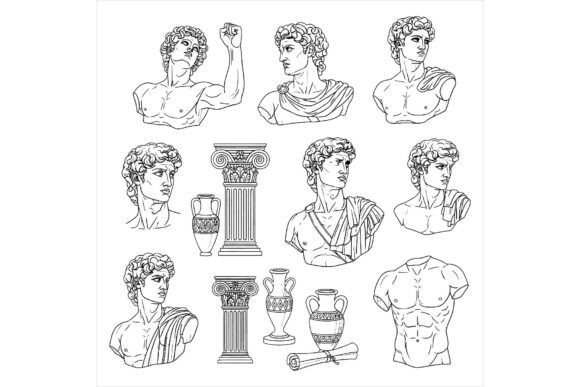
Ancient Greek Roman Statues Heads Column Illustrations: A Design Review
As a graphic designer with years of experience in branding, packaging, and digital design, I often find myself evaluating new design assets to determine their practicality and aesthetic value for real-world projects. The Ancient Greek Roman Statues Heads Column illustrations caught my attention as a potential resource for a variety of creative needs. In this review, I’ll walk you through how these visuals perform in different design scenarios and what considerations you should keep in mind when using them for client work or your own business.
First Impressions: Classic Elegance with a Timeless Vibe
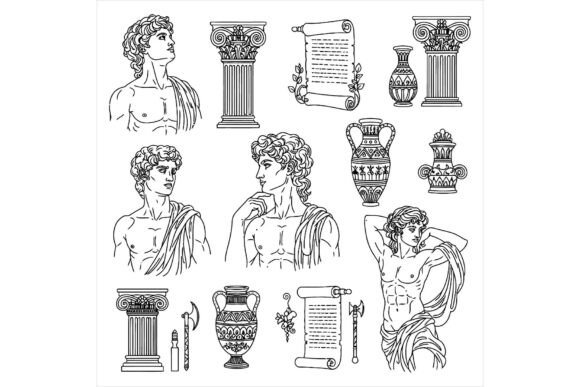
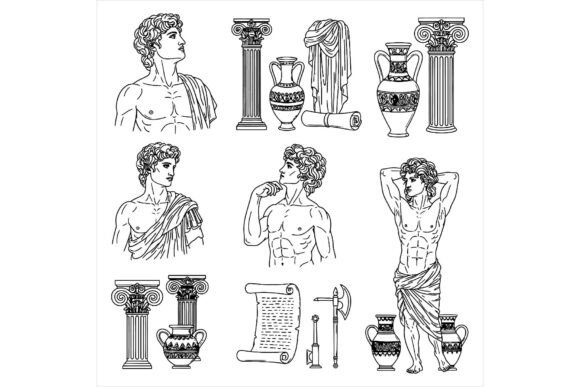
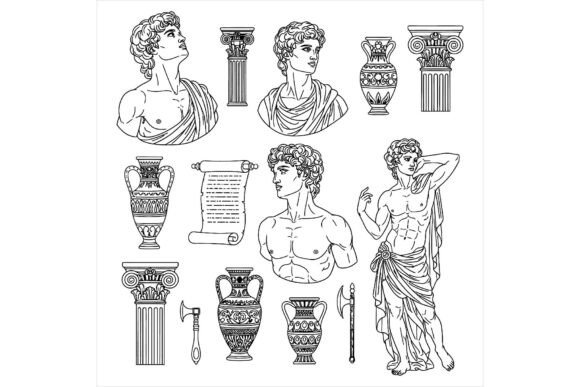
The first thing that stands out about the Ancient Greek Roman Statues Heads Column is its strong classical influence. These illustrations evoke a sense of grandeur and sophistication, reminiscent of ancient architecture and sculpture. The visual style is detailed yet stylized, making it ideal for projects that aim to communicate history, culture, or a refined aesthetic. Whether used as a background motif or a focal point, they bring an air of authenticity and timelessness to any layout.
From a design standpoint, these assets are rich in texture and form. They suggest a blend of realism and artistic interpretation, which can be incredibly useful for crafting designs that feel both authentic and visually engaging. The column elements add depth and structure, while the heads introduce a human element—perfect for storytelling or thematic branding around mythology, heritage, or luxury products.
Real-World Applications and Creative Possibilities
I recently considered using these illustrations for a local artisanal soap brand launching a line inspired by Mediterranean wellness traditions. The goal was to create packaging and social media graphics that felt both luxurious and grounded in cultural roots. The Ancient Greek Roman Statues Heads Column fit right into that concept, especially when paired with warm color palettes and earthy textures.
Here’s where these illustrations shine:
- Product Mockups: Adding a statue head or column to product mockups gives items like candles, skincare bottles, or handmade jewelry a museum-quality presentation.
- Hero Graphics: On large banners or website headers, these visuals anchor the design with a dramatic flair that immediately sets a tone.
- Themed Collections: For seasonal campaigns or themed product lines (like summer collections or historical events), the imagery adds a cohesive narrative thread.
- Editorial and Poster Design: When designing posters or editorial spreads for art exhibitions, educational materials, or event promotions, these illustrations serve as compelling visual anchors.
- Printable Wall Art: As part of a design bundle, they’re perfect for creating printable art pieces that customers can download and print at home.
- Cricut Projects: The clean vector lines and structured forms make them suitable for Cricut die cuts or SVG-based crafts, especially if the project leans towards antique or decorative themes.
- Etsy Product Listings: Incorporating these visuals into product descriptions or shop banners can elevate the perceived quality of handmade goods and attract niche audiences.
When to Use Carefully: Avoid Overcomplication
While the Ancient Greek Roman Statues Heads Column illustrations offer a lot of character, they aren’t always the best choice for every project. Here are some situations where you might want to use them more thoughtfully:
- Small Sizes: The intricate details may not render well at smaller scales, such as icons or micro-designs on labels or mobile interfaces.
- Crowded Layouts: If you're working with tight grids or minimalist layouts, these visuals could overpower the composition and disrupt balance.
- Low-Contrast Backgrounds: Their effectiveness relies heavily on contrast. Using them on muted or patterned backgrounds without careful layering can reduce visibility and impact.
- Professional Corporate Materials: Unless the brand has a specific historical angle, these illustrations might not align with the clean, modern look expected in many corporate environments.
Design Asset Performance in Different Formats
One of the key factors I assess when reviewing a graphic design asset is how it performs across formats. The Ancient Greek Roman Statues Heads Column illustrations come in high-resolution PNGs, which is great for digital use. If available in SVG format, they also allow for scalability and customization—ideal for print-on-demand services or custom Cricut projects.
Testing them in black and white revealed a surprising amount of detail still present, making them versatile for grayscale printing or monochrome branding concepts. However, when placed against complex backgrounds or layered with other graphics, they require careful placement to avoid muddying the overall design.
I also tested them at both small and large sizes. At full scale, they look stunning—especially in hero sections of websites or large-format posters. But at smaller sizes, like those used in Instagram posts or email newsletters, the details become less effective unless simplified or isolated.
Visual Hierarchy and Brand Consistency Considerations
These illustrations have a clear visual weight due to their architectural and sculptural nature. That makes them excellent for establishing hierarchy in marketing visuals, but they must be balanced with supporting text and imagery to maintain readability. For instance, placing a statue head behind a call-to-action button can draw attention—but only if the typography is bold and legible enough to stand out.
In terms of brand consistency, the Ancient Greek Roman Statues Heads Column works well for brands that incorporate classical motifs or want to evoke a sense of legacy and tradition. However, if the rest of the brand identity uses a modern sans-serif font and flat design elements, these illustrations might clash unless integrated subtly.
Comparisons with Other Font Styles
To test compatibility, I compared these illustrations with various font styles: The takeaway? These illustrations are most effective when paired with complementary typographic choices that reinforce the same mood and era.
Commercial Use and Licensing Check
Before recommending any commercial design asset, I always check the licensing agreement. It’s essential to confirm whether the Ancient Greek Roman Statues Heads Column illustrations can be used for logos, product branding, or online sales. Some design bundles restrict usage to personal or non-commercial purposes, so verifying the commercial license is a critical step for professional designers and digital sellers alike.
Technical Checks for Professional Projects
Here are the technical aspects I reviewed before finalizing their use:
- PNG Transparency: The file includes clean alpha channels, allowing for seamless integration into layered compositions or transparent backdrops.
- SVG Editability: Vector versions enable scaling without loss of quality and provide flexibility for re-coloring or modifying shapes.
- Print Quality: Tested on mockups for t-shirt design and wall art, the resolution held up well, though minor adjustments were needed for optimal bleed zones.
- Mockup Integration: When placed on a mockup of a ceramic mug or tote bag, the illustration added a premium touch, enhancing the product's perceived value.
Emotional Appeal and Audience Engagement
Classical design elements have a unique emotional resonance. The Ancient Greek Roman Statues Heads Column illustrations tap into themes of wisdom, strength, and beauty—qualities that can enhance audience engagement for certain niches. For example, a boutique selling handmade leather goods could use these visuals to emphasize craftsmanship and timeless appeal.
They also help in building visual trust. People associate classical imagery with reliability and sophistication, which can be leveraged in branding to position a product as high-end or historically inspired.
Limitations in Modern Design Contexts
That said, there are limitations. In fast-paced digital ads or minimalistic web design, these illustrations might not perform as well. They need space to breathe and should be used sparingly to avoid overwhelming the viewer. For marketers aiming for a sleek, contemporary vibe, they might be better off using them as accents rather than central features.
Why This Design Asset Could Be Useful for Your Business
If you're running a handmade business or launching a small business branding campaign, these illustrations can give your visuals a distinctive edge. They’re particularly effective for: - Brand identity around history, philosophy, or luxury. - Logo design that incorporates classical symbols or motifs. - Marketing visuals for events, travel, or educational content. - Print-on-demand products like stickers, mugs, and apparel. - Canva templates aimed at wedding invitations, anniversary cards, or cultural celebrations. Their ability to convey a story through visual language makes them valuable for content creators and bloggers looking to enrich their articles with historical or mythological context. They also pair well with illustrations of laurel wreaths, olive branches, or Roman numerals, helping to build a consistent and immersive design system.
Final Thoughts from a Designer’s Perspective
After putting the Ancient Greek Roman Statues Heads Column illustrations through a series of practical tests, I found them to be a solid addition to a designer’s toolkit—especially for projects that benefit from a touch of classical elegance. They don’t demand constant use, but when applied correctly, they can significantly enhance the visual polish and emotional depth of a design.
Remember to consider your target audience and the message you want to convey. Are you trying to inspire nostalgia, highlight heritage, or simply add a unique visual element to break away from the norm? These illustrations can answer that question powerfully—if used wisely.
So, whether you're crafting a design bundle for a creative marketplace or developing packaging design for a new line of artisanal goods, take a closer look at the Ancient Greek Roman Statues Heads Column. Just be sure to vet the technical specs, commercial license, and stylistic compatibility before incorporating them into your next project.