Ancient Greek Illustrations of Men: A Timeless Graphic Design Asset
As a seasoned graphic designer, I’m always on the lookout for design assets that can elevate a project from good to great. When I first encountered Ancient Greek Illustrations of Men, I was intrigued by their historical flair and artistic depth. These illustrations are more than just decorative—they carry a sense of gravitas and storytelling potential that immediately stood out in my review process.
Elegant Visuals with a Nostalgic Edge
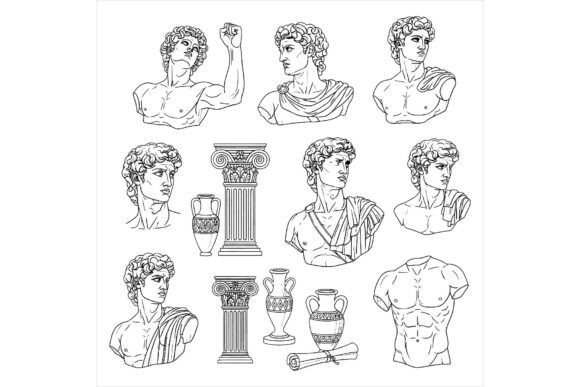
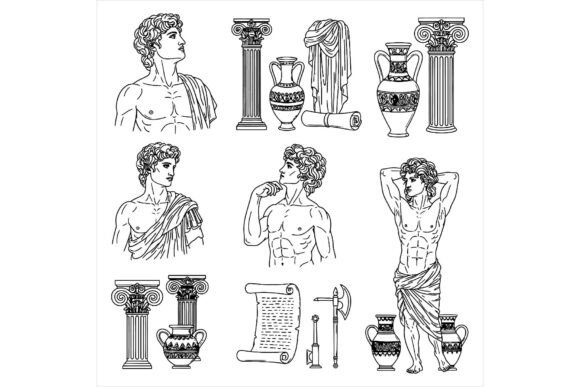
The Ancient Greek Illustrations of Men offer a unique blend of classical aesthetics and modern adaptability. They evoke the grandeur of ancient civilization while maintaining clean lines and stylized features that make them suitable for contemporary design applications. The figures depicted—often warriors, philosophers, or athletes—are rendered with attention to detail, yet they retain enough simplicity to work across various visual formats without becoming overwhelming.
Visually, these illustrations create a mood that’s both noble and timeless. Their presence adds an air of sophistication and cultural richness, which is especially valuable for projects aiming to communicate heritage, tradition, or intellectual depth. For instance, if you're working on a brand identity for a new line of handmade oils inspired by Mediterranean history, these illustrations could serve as a powerful anchor for your creative concept.
Where Ancient Greek Illustrations of Men Shine
These illustrations perform exceptionally well in several key areas of professional design:
- Hero Graphics: Their bold scale and intricate details make them ideal for large layout areas like website headers, poster designs, or product mockups where they can take center stage.
- Themed Collections: Whether it's a print-on-demand line of t-shirts or a set of Canva templates centered around mythology, this asset brings cohesion and authenticity to the theme.
- Editorial and Campaign Work: From magazine spreads to Instagram stories, the illustrations add a narrative layer that helps engage audiences emotionally and intellectually.
- Printable Designs: With high-resolution PNGs and scalable SVG files, they’re perfect for wall art, stickers, or packaging labels that require clarity at different sizes.
- Cricut Projects: The vector-based format allows for easy customization and precise cutting, making them a solid choice for crafters looking to incorporate a historical element into greeting cards or signage.
Enhancing Brand Identity and Packaging Design
In the context of a real client project, such as branding a boutique olive oil company, these illustrations could be used to reinforce the brand’s artisanal and authentic nature. Placing a stylized figure of a Greek athlete or philosopher on a label or packaging insert gives the product a distinctive character that stands out in a crowded market.
For marketers and bloggers, using Ancient Greek Illustrations of Men in social media graphics or blog headers can help establish a consistent visual language that aligns with the content’s educational or thematic focus. This kind of imagery doesn’t just decorate—it communicates.
Design Considerations and Best Practices
While these illustrations are visually compelling, there are some important considerations before integrating them into a professional design workflow:
- Test in Black and White: Evaluate how the illustrations hold up when stripped of color. This is essential for ensuring they remain effective in grayscale or monochrome branding scenarios.
- Contrast Check: Place the illustrations on both light and dark backgrounds to confirm legibility and balance. Some elements may lose definition depending on the background tone.
- Preview at Different Sizes: Confirm that the design remains clear and readable at smaller scales, such as in social media thumbnails or app icons.
- Mockup Integration: Use them in real-world product mockups to see how they interact with other design components. This helps avoid unexpected clashes in composition or hierarchy.
- Print Quality: If the project involves physical printing—like mugs, tote bags, or posters—test the illustration at actual print size to ensure no loss of detail or quality.
- File Format Inspection: Make sure the bundle includes appropriate file types (SVG, PNG) for digital and print use. Vector versions allow for full scalability and customization, which is a big plus for designers who need flexibility.
- Commercial Licensing: Always verify the commercial license included in the design bundle. For digital sellers, Etsy shops, or print-on-demand businesses, proper licensing is crucial to avoid legal issues down the line.
Compatibility with Typography
I tested these illustrations alongside various font styles to gauge their compatibility:
- Serif Fonts: Classic serif typefaces complement the historical feel of the illustrations well, especially in editorial or academic contexts.
- Sans Serif Fonts: Modern sans serifs can create a nice contrast, helping to balance the antique look with a clean, approachable vibe.
- Script & Handwritten Fonts: These pair beautifully with the illustrations, enhancing the handcrafted aesthetic often sought after by small business owners and indie brands.
- Display Fonts: Strong display fonts can work effectively in hero sections, but care must be taken not to overshadow the illustration or disrupt visual harmony.
When to Use Them Carefully
Although Ancient Greek Illustrations of Men are versatile, they aren’t universally applicable. Here are a few situations where caution is warranted:
- Minimalist Branding: The detailed nature of these illustrations might clash with minimalist design principles. In such cases, consider using only a portion of the image or simplifying the vector layers.
- Small-Scale Applications: Due to their complexity, the illustrations can become muddy or illegible at very small sizes. Avoid using them in tiny icons or micro-textures unless simplified.
- Corporate Materials: Unless the brand has a specific historical angle, these illustrations may feel out of place in formal corporate presentations or reports.
- Crowded Layouts: In busy compositions with multiple design elements, the illustrations may compete for attention rather than enhance the overall message.
Impact on Readability and Audience Engagement
One of the main concerns when reviewing any design asset is its impact on readability and visual hierarchy. While Ancient Greek Illustrations of Men do not inherently interfere with text legibility, they should be placed thoughtfully so as not to distract from key messages. Used as accents or background elements, they can subtly guide the viewer’s eye and enrich the storytelling aspect of the design.
From an audience engagement standpoint, these illustrations have strong emotional appeal. They tap into themes of strength, wisdom, and heritage—qualities that resonate deeply with certain demographics, especially those interested in culture, education, or niche lifestyle products. This makes them particularly useful for content creators targeting markets with a historical or educational slant.
Why This Is a Valuable Creative Design Tool
What sets Ancient Greek Illustrations of Men apart is their ability to convey meaning through style alone. They don’t rely on bright colors or flashy animations; instead, they offer a refined, illustrative look that can be adapted to suit many visual needs. As a graphic design asset, they’re not just decorative—they’re symbolic, adding depth to otherwise flat designs.
For digital sellers and print-on-demand entrepreneurs, these illustrations can be a strategic component in building themed product lines. Pairing them with complementary assets—like Roman columns, olive branches, or laurel wreaths—can result in a cohesive design bundle that appeals to customers seeking unique, culturally rich merchandise.
Professionalism and Brand Consistency
Used appropriately, these illustrations contribute positively to the perceived professionalism of a project. They signal attention to detail and a commitment to quality, which is essential for establishing trust and recognition in brand visuals. However, overuse or mismatched styling can dilute brand consistency, so it’s important to integrate them seamlessly within the existing visual framework.
If you're designing for a local event or a seasonal campaign centered around mythology, these illustrations can become a cornerstone of the visual strategy. Just be sure they align with the rest of your creative assets and messaging tone.
Final Thoughts for Designers and Digital Sellers
After thoroughly testing Ancient Greek Illustrations of Men in various design contexts—from logo concepts to web banners and even Cricut projects—I’ve concluded that they are a reliable and stylish addition to any creative designer’s toolkit. Their ability to enhance the visual mood and support thematic storytelling is impressive, and when used correctly, they can significantly improve the polish of a final design.
Before committing to a client project, I recommend experimenting with placement, color variations, and typographic pairings. Also, double-check the file quality and licensing terms to ensure they meet your project requirements. Once vetted, these illustrations can be a subtle yet impactful way to differentiate your design work and connect with your target audience on a deeper level.
Whether you're crafting a brand identity for a handmade business or creating a set of Pinterest pins for a historical documentary, Ancient Greek Illustrations of Men offer a compelling visual foundation. They bring history to life and provide a bridge between past and present in your design narratives.