Ancient Greek Architecture and Statues Illustrations for Authentic Branding
As a brand designer with years of experience helping small businesses craft compelling visual identities, I recently came across the design asset Ancient Greek Architecture and Statues. This illustration set caught my eye not just for its aesthetic appeal but for how it can bring a sense of history, elegance, and timelessness to modern branding. When evaluating this type of graphic design asset, it’s essential to consider its potential in various real-world applications—especially for local businesses aiming to stand out in their community.
Evaluating the Mood and Brand Personality of Ancient Greek Architecture and Statues
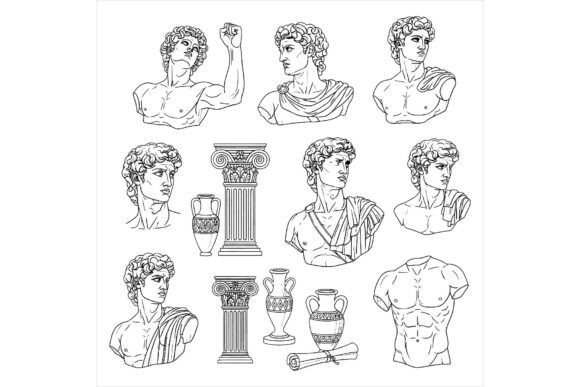
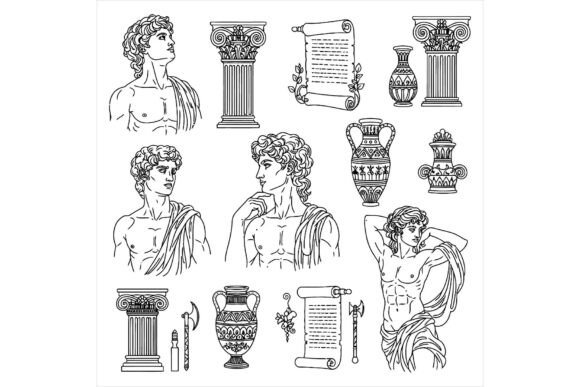
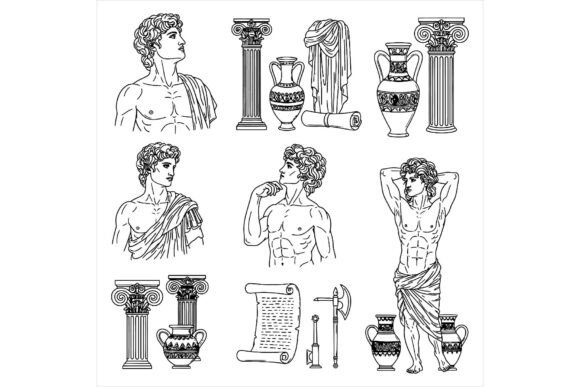
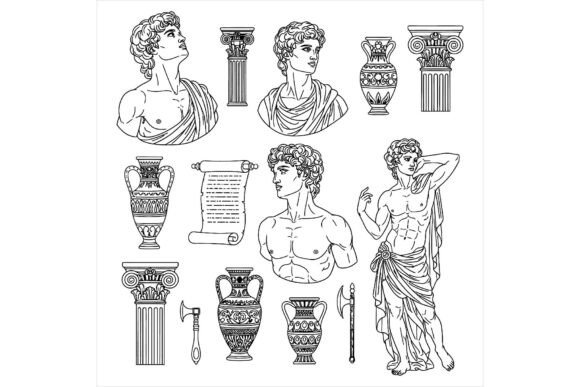
The first thing that stands out about Ancient Greek Architecture and Statues is the mood it conveys. These illustrations evoke a feeling of sophistication and cultural richness. The classical lines of the architecture and the intricate details of the statues suggest a brand personality that is premium, elegant, and timeless. It's the kind of imagery that whispers “quality” and “heritage,” making it especially suitable for businesses that want to communicate tradition or craftsmanship.
This design feels more handmade and decorative than mass-produced, which aligns well with artisanal brands such as a boutique skincare line, a high-end coffee shop, or a luxury candle business. It doesn’t scream “playful” or “modern minimalism,” so if your brand leans in those directions, you might need to pair these illustrations carefully with other design elements. However, for a brand looking to create a strong emotional connection rooted in classic beauty, this asset is a powerful choice.
Practical Applications for Local Business Branding
Ancient Greek Architecture and Statues offer a wide range of possibilities when integrated into small business branding projects. Here are some practical ways I've seen similar assets perform well:
- Logo Design: Use subtle architectural motifs or statue silhouettes to add depth and character without overwhelming the logo.
- Product Labels: Incorporate a statue outline or column detail as an accent to highlight product authenticity or artisanal quality.
- Packaging Design: Feature a stylized temple or draped figure on a gift box or jar to elevate the perceived value and make it instantly recognizable on shelves.
- Hang Tags & Thank-You Cards: A minimalist statue illustration adds a touch of class to customer-facing materials like thank-you notes or product tags.
- Social Media Graphics: Pair with lifestyle photography of your products to create cohesive and visually engaging content for platforms like Instagram or Pinterest.
- Menu and Price List Layouts: For a café or restaurant with a Mediterranean theme, these illustrations can serve as elegant dividers or background accents.
These assets also work beautifully in seasonal campaign visuals, particularly during events like Greek festivals, summer promotions, or even holiday packaging for niche markets. Their ornate nature makes them ideal for adding a decorative edge to promotional flyers, posters, and digital banners.
How These Illustrations Support Professional Branding
One of the most significant advantages of using Ancient Greek Architecture and Statues in branding is how they contribute to a stronger first impression. In today’s competitive market, customers often decide whether to engage with a product based on its visual appeal. These illustrations help establish a clear visual hierarchy and reinforce a consistent brand identity by offering recurring motifs that tie all branding elements together.
When used correctly, they can:
- Enhance product recognition through repeated use in logos and labels
- Build customer trust by suggesting a brand with roots and values
- Improve shelf appeal with detailed, eye-catching packaging graphics
- Create a more polished look in marketing visuals and web design
For a local handmade soap business or a fine artisanal olive oil label, these illustrations can help differentiate the product from competitors while maintaining a professional appearance. They’re also great for editorial design in catalogs or newsletters, where a touch of antiquity can lend credibility and charm.
Best Uses: Where These Illustrations Shine
I’ve found that Ancient Greek Architecture and Statues work best in the following areas of branding and design:
- Hero Graphics: Large-format visuals for storefront displays or website headers benefit from the grandeur of these illustrations.
- Decorative Brand Elements: Use as borders, corner embellishments, or watermark-style overlays to enhance packaging and printed materials.
- Promotional Banners: Whether digital or physical, these illustrations can anchor a campaign with a strong visual motif.
- Seasonal Packaging: Especially during holidays or special events, a festive yet sophisticated touch can be achieved by incorporating these designs.
- Boutique Visuals: Perfect for creating a curated, exclusive feel in store layouts, product mockups, or e-commerce site backgrounds.
- Printable Inserts: Inside product boxes or bags, a small illustration can add a personal and thoughtful touch.
For businesses targeting a specific demographic—such as wellness-focused clients or heritage-driven consumers—these illustrations can act as silent storytellers, conveying themes of balance, harmony, and enduring quality.
Cautionary Considerations for Effective Use
While Ancient Greek Architecture and Statues can be incredibly valuable, there are scenarios where they may not be the best fit. Overuse or poor placement can distract from key messaging or brand clarity. Here are a few places where I recommend using them carefully:
- Formal Corporate Branding: Unless the brand has a historical or academic angle, these illustrations may not align with a serious corporate tone.
- Very Small Labels: The level of detail in these illustrations can get lost when scaled down. Always test at actual size before finalizing.
- Crowded Product Packaging: If your layout is already busy with text or multiple images, adding another complex illustration could reduce readability.
- Ingredient-Heavy Layouts: Avoid placing these over dense text blocks; let them complement rather than compete with important information.
- Legal Information Areas: Never obscure disclaimers, certifications, or contact info with decorative elements.
- Low-Contrast Backgrounds: Ensure the illustrations pop against your chosen background color or texture.
- Luxury Minimalist Brands: These illustrations may clash with clean, modern aesthetics unless used very sparingly and thoughtfully.
Brand Designer Tips for Using These Illustrations
To ensure these illustrations serve your brand effectively, here are some practical steps every designer should take:
- Test on Real Packaging Mockups: See how they scale and interact with other design elements in context.
- Check Black and White Usage: Some illustrations may lose impact when converted to grayscale, so verify how they appear in monochrome formats.
- Preview on Small Labels: Make sure the design remains legible and effective at smaller sizes, especially for items like stickers or hang tags.
- Test with Brand Colors: Overlay the illustrations onto your brand’s color palette to ensure they harmonize or contrast appropriately.
- Compare with Competitor Packaging: Assess how these illustrations position your brand visually among others in the same category.
- Check Print Quality: High-resolution PNGs or SVGs are essential for professional results. Avoid low-quality JPEGs for physical printing.
- Review PNG Transparency: Transparent backgrounds allow for flexible layering in digital and print formats.
- Inspect SVG or Vector Editability: If you plan to customize the illustrations, confirm they are editable and scalable without losing detail.
- Test Beside Different Fonts: Compare how the illustrations look with serif, sans serif, script, handwritten, and display fonts to find the perfect pairing.
- Confirm Commercial Licensing: Always check that the design asset is available under a commercial license before using it for client work, product sales, or promotional material.
Integrating Ancient Greek Motifs into Modern Branding Projects
In one recent project, I helped a local bakery rebrand its seasonal honey cake line using Ancient Greek Architecture and Statues as inspiration. The client wanted to emphasize the natural, artisanal ingredients used in the cakes. By subtly integrating a stylized statue of a goddess and a classical archway into the product label and hero image, we created a visual narrative that suggested purity, strength, and time-honored tradition.
The result was a packaging design that stood out in the marketplace, communicated authenticity, and supported a cohesive social media campaign. Customers responded positively to the unique look, and the brand saw increased engagement and repeat orders.
Final Thoughts for Creative Entrepreneurs and Brand Owners
Graphic design assets like Ancient Greek Architecture and Statutes can be a game-changer for local businesses looking to elevate their brand presence. When applied thoughtfully, they help create a more memorable and trustworthy brand identity. But as with any design element, it's crucial to evaluate how they function within your overall branding strategy and visual ecosystem.
If you're considering using these illustrations, ask yourself: does this align with our brand story? Will it enhance our message or confuse it? And most importantly, will it resonate with our audience in a meaningful way?
By answering these questions and testing the design in different contexts, you can harness the power of Ancient Greek Architecture and Statues to build a stronger, more professional brand.