Motorcycle Rider in Action Poses for Embroidery
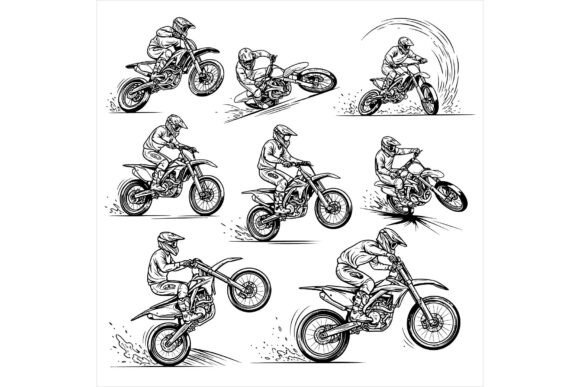
As an embroidery designer who’s worked with countless digital files, I always look for designs that not only catch the eye but also translate well into real-world projects. Motorcycle Rider in Various Action Poses is one of those illustrations that makes me pause and think: “This could work.” The theme is bold, the layout is dynamic, and the detail level suggests a design that can be used creatively across multiple product types. But like any good machine embroidery file, it needs to be evaluated for practical use before being stitched onto fabric.
A First Glance at the Design
The first thing I noticed about Motorcycle Rider in Various Action Poses was its visual energy. It doesn’t just depict a rider—it captures movement, attitude, and style. Each pose feels intentional, whether it's mid-turn, leaning forward, or holding up a sign. This kind of personality is exactly what handmade products need to stand out in today’s market, especially for crafters, Etsy sellers, and small business owners looking to add unique flair to their offerings.
From a technical standpoint, the shape of the design is generous enough to allow for some creative placement on garments and accessories. However, it’s not overly large, which is great news for smaller embroidery projects like patches or tote bag accents. The layout is clean, avoiding unnecessary clutter, and the detail level is consistent—enough to feel professional without becoming too dense for certain fabrics.
Where This Design Fits Naturally
I see this design as a perfect fit for custom apparel like sweatshirts or t-shirts, where the action poses can really pop against a solid background. Tote bags are another strong candidate, especially if you're targeting lifestyle brands or personalized gifts for motorcycle enthusiasts. For holiday gifts or boutique branding, consider using it on aprons or pillow covers to give your shop a signature look.
Embroidered patches could benefit from this design as well. The poses offer flexibility in how you present them—maybe a patch with the rider leaning forward for a jacket collar, or a more dramatic stance for a helmet. Just keep in mind that patches require careful handling of stitch density and thread colors to maintain clarity when sewn onto different materials.
Real-Life Embroidery Use Cases
Let’s imagine a scenario: You’re preparing a custom embroidered sweatshirt for a local motorcycle club. You want something that represents freedom, speed, and community. Motorcycle Rider in Various Action Poses offers the versatility needed to match different members’ preferences. One might prefer the rider mid-turn, while another would go for the classic upright stance.
For a tote bag design, this illustration brings instant recognition. It’s not just a rider; it’s a story being told through motion. The same goes for baby clothes or nursery decor—while the design isn't explicitly "cute," it can be softened with pastel thread colors and paired with playful text for a trendy, adventurous vibe.
If you're an Etsy seller or part of a craft fair, this design adds value by giving customers something they won’t find mass-produced. Its distinct character helps elevate handmade products into something collectible, especially for niche audiences like biking communities or adventure-themed gift shops.
Design Performance on Fabric
One of the key considerations when using Motorcycle Rider in Various Action Poses is fabric texture. On smooth cotton or polyester blends, the design shines with crisp lines and clear shapes. But if you're working with textured or stretchy fabrics, such as denim or spandex, you’ll need to adjust stitch density and possibly add stabilizer underneath to prevent distortion.
Satin stitch areas, like the rider’s gear or outlines, perform best on stable surfaces. If you’re planning to embroider this onto a curved surface like a cap or hat, expect some minor adjustments to the layout and hoop size. Also, watch out for fill stitch sections—these should be tested carefully to ensure they don’t cause puckering or excess bulk, especially on thin or delicate materials.
Thread color contrast is another important factor. The design works particularly well when there’s a strong contrast between the rider and the background. If you’re using dark fabrics, consider lighter thread shades to enhance visibility. Conversely, black thread may blend too much on darker backgrounds, making details harder to see.
When to Use Caution
While this illustration has a lot going for it, there are situations where it requires more attention. In small hoop sizes, the finer details of the rider’s posture or facial expressions may get lost. Always confirm the minimum hoop size required before starting production.
On thin or stretchy fabric, the design’s structure can suffer if not properly supported. Adding tear-away or cut-away stabilizers will help maintain integrity. Textured fabrics like flannel or canvas can also challenge the clarity of the running stitch elements, so test runs are essential.
Products that undergo frequent washing, like kitchen towels or baby clothes, need durable stitching. Make sure the design’s stitch density is suitable for these items and that the thread quality supports long-term wear.
Visual Appeal and Customer Response
What sets Motorcycle Rider in Various Action Poses apart is its ability to convey emotion. Whether you're aiming for a rugged biker aesthetic or a softer, lifestyle-inspired piece, the design adapts well. Customers respond positively to imagery that tells a story, and this illustration does that effectively.
Its presence on a sweatshirt embroidery project can instantly make the item feel more premium. Even in a printable mockup, the design looks professional and ready for sale. When used correctly, it enhances the product value and gives your brand a sense of authenticity and craftsmanship.
Designer Notes for Real Projects
- Test the design on scrap fabric first. Especially if you plan to use it on stretchy or thin materials, seeing how it reacts under the needle is crucial.
- Check thread color contrast. A black rider on a black sweatshirt won’t do anyone any favors. Consider white, red, or metallic threads for better visibility.
- Review stitch density. Dense fill areas can lead to puckering, especially on lightweight fabrics. Adjust as needed for each project type.
- Confirm hoop size. If the design requires a larger hoop than you typically use, plan accordingly. Smaller hoops can compromise detail.
- Inspect small details like facial features or subtle body movements. These might not hold up well on all fabric types or in all lighting conditions.
- Try black and white mockups before finalizing thread choices. This helps assess how the design will appear once color fades or washes out over time.
- Compare light and dark fabric backgrounds. Some poses may read better on a light-colored shirt than a dark tote bag.
- Use proper stabilizer. Depending on your fabric, tear-away, wash-away, or cut-away stabilizers can make a big difference in stitch quality.
- Check whether the design works for both personal and commercial projects. While it’s ideal for custom orders, verify its adaptability for retail or wholesale use.
- Confirm licensing before selling finished items or digital products. If you plan to resell or distribute the digital embroidery file, make sure you have the right permissions.
Professional Presentation and Branding
When used on commercial embroidery projects, this design contributes to a strong visual identity. It can become a recognizable element of your design assets, helping to build brand consistency. As a handmade shop owner, having a signature motif like this can differentiate your products in a crowded market.
It also plays well with other decorative accents. Think of pairing it with minimalist typography or geometric borders to create a cohesive look across your embroidery project line. Just remember that balance is key—don’t overload the garment or accessory with too many elements competing for attention.
Final Thoughts
Motorcycle Rider in Various Action Poses is a standout machine embroidery design with a strong visual personality. It’s versatile enough for both casual and commercial use, yet detailed enough to feel special. However, its success depends on thoughtful application. Choose the right fabric, stabilize wisely, and test thoroughly before committing to a full run.
Whether you're creating a personalized gift or building your small shop product lineup, this illustration can add depth and character to your work. With the right preparation and understanding of its limitations, it becomes a valuable addition to your embroidery file collection.