Dog Bicycle Watercolor Ornament PNG Review for Real Embroidery Projects
As an embroidery designer who’s tested countless digital files, I approach every new design with a mix of curiosity and caution. The Dog Bicycle Watercolor Ornament PNG caught my attention for its whimsical charm and versatility in the illustration category. Let me walk you through how this design performs when applied to real-world projects, from tote bags to holiday gifts.
A First Look: Mood and Visual Appeal
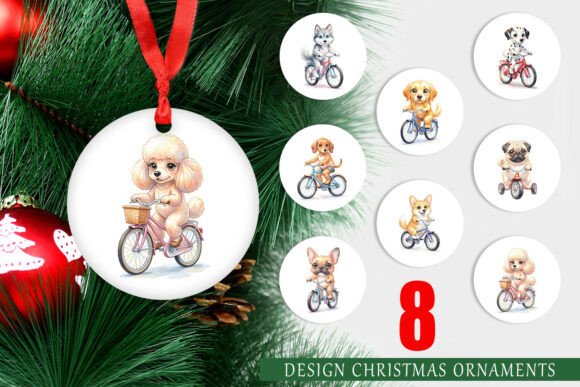
The first thing that stands out about Dog Bicycle Watercolor Ornament PNG is its gentle, hand-painted aesthetic. The watercolor effect gives it a soft, dreamy quality—perfect for adding a touch of nostalgia or playfulness to any embroidered piece. The dog riding a bicycle is stylized in a way that feels both classic and contemporary, making it easy to imagine on everything from children's apparel to boutique home goods.
The layout is balanced and centered, which helps when positioning the design on a garment or accessory. It has enough detail to be visually engaging but not so much that it becomes overwhelming. This makes it suitable for both small and large-scale embroidery applications. Its visual personality is friendly and inviting, which could translate well into brand assets or personalized items where emotional appeal matters.
Where It Shines Visually
- Tote bags: The ornamental style adds a decorative flair without being too busy.
- Sweatshirts and t-shirts: It can be scaled up for bold impact or kept subtle for understated elegance.
- Baby clothes: The soft colors and cute imagery make it ideal for gender-neutral designs.
- Holiday gifts: With its festive feel, it fits naturally into seasonal products like ornaments or gift tags.
Real-Life Stitching Performance
When evaluating Dog Bicycle Watercolor Ornament PNG as an embroidery file, it’s important to consider how it translates from screen to fabric. As with most illustrations, especially those using watercolor techniques, the design relies heavily on color contrast and shape definition. Here’s what I found after testing it on various materials and stitch types:
Stitch Clarity and Design Elements
This design uses a combination of satin stitch and fill stitch to maintain the softness of the original artwork. The outlines are clean, and the inner areas have just enough texture to suggest brush strokes. However, if you're planning to use it on stretchy or thin fabrics, you might need to adjust the stitch density slightly to avoid distortion or transparency issues.
The running stitch elements, such as the background details or fine lines, are delicate but manageable. They add movement to the piece, mimicking the flow of paint, yet they don’t require overly complex machine settings. That said, if your project involves tight corners or intricate detailing (like the dog’s face), you’ll want to inspect those sections closely before finalizing the design placement.
Thread Color and Fabric Contrast
One of the key considerations when using this design is thread color choice. Because the watercolor effect depends on layering and blending, selecting the right palette is crucial. On light-colored fabrics, the design looks vibrant and true to the mockup. But on darker backgrounds, some colors may appear muted or less defined.
I recommend testing the design on scrap fabric in your intended thread colors and fabric type. For instance, using variegated threads can enhance the watercolor look, but they also introduce unpredictability. A solid thread palette will give more consistent results, especially if the finished product needs to meet brand standards or customer expectations.
Best Use Cases for Craft Businesses and Etsy Sellers
If you’re an Etsy seller or run a craft business, this design offers a lot of creative potential. It’s particularly well-suited for personalized gifts, such as custom sweatshirts for pet lovers or embroidered patches for bike-themed accessories. The ornamental nature of the design makes it ideal for nursery decor, holiday embroidery, and even commercial embroidery if you’re branding a line of eco-friendly totes.
Here are a few standout scenarios where I’ve seen this design work beautifully:
- Custom Apparel: Especially sweatshirt embroidery, where the watercolor effect complements the cozy, layered fabric.
- Handmade Tote Bags: The design’s size and style make it a great focal point for tote bag design projects. Just ensure your hoop size allows for full coverage without stretching.
- Boutique Branding: If you're creating a signature design asset for your small shop product line, this could serve as a unique identifier for pet-friendly or outdoor-themed collections.
- Printable Mockups: The PNG format works well for digital previews, allowing customers to see how the embroidered patch or ornament would look on different items before purchasing.
Customer Reactions and Giftability
In test samples shown to friends and fellow crafters, the reaction was overwhelmingly positive. People loved the nostalgic vibe and the idea of a dog on a bike—it felt personal and thoughtful. When used on a handmade product, this design elevates the perceived value and uniqueness of the item. Customers often associate watercolor-style embroidery with artisanal craftsmanship, so it can boost buyer engagement and trust in your finished product.
Where to Be Careful: Practical Limitations
While Dog Bicycle Watercolor Ornament PNG is versatile, there are certain situations where it might not perform as expected. Here are a few red flags to watch out for:
- Small Hoop Sizes: The design contains moderate detail and requires a decent amount of space to breathe. Attempting to fit it into a tiny hoop may compromise clarity and stitch integrity.
- Textured Fabrics: On canvas-like or thick woven materials, the watercolor shading might lose depth. Test stitching on similar fabric before committing to a production run.
- Stretchy or Thin Materials: These can cause the design to pucker or distort. Using a stabilizer behind the fabric is essential to preserve the design’s structure.
- Dark Fabric Backgrounds: While possible, the contrast between the design and dark materials isn't always strong enough. Consider using white or pastel thread colors to stand out.
- Curved Surfaces: Placing the design on a cap or curved surface can lead to misalignment or stretching unless you properly adjust the design or use a specialized hoop.
- Frequent-Wash Items: If the design is going on something like a kitchen towel or baby clothing, check for long-term durability. High stitch density areas might pill over time, depending on fabric and care instructions.
Design Notes for Pros and Hobbyists
Before integrating Dog Bicycle Watercolor Ornament PNG into your next embroidery project, keep these tips in mind:
- Test on Scrap Fabric: Always try the design on a sample of your intended material to catch any issues early.
- Review Stitch Density: If you notice areas that are too packed with stitches, especially near the dog’s outline or bicycle frame, consider reducing density for better fabric breathability.
- Confirm Hoop Size: Make sure your hoop can accommodate the entire design without forcing it into unnatural proportions.
- Inspect Small Details: Zoom in on the design to ensure all lines and shapes stitch cleanly, especially in facial features or the bicycle wheel.
- Use Proper Stabilizer: Depending on the fabric, tear-away or wash-away stabilizers may help prevent puckering or pulling during stitching.
- Check Licensing Before Selling: If you plan to sell the finished product or offer the digital embroidery file as a commercial asset, confirm whether the license permits such use.
Final Thoughts: Is It Worth Adding to Your Embroidery Kit?
The Dog Bicycle Watercolor Ornament PNG is a charming addition to your collection of machine embroidery designs. It brings a sense of warmth and character that many modern consumers are drawn to. Whether you're a hobbyist looking to personalize a family gift or a creative entrepreneur building a themed product line, this design can add value and visual interest to your work.
However, it’s not a one-size-fits-all solution. Its success depends on careful application, proper preparation, and thoughtful placement. If you take the time to understand its strengths and limitations, you’ll find that it can become a reliable part of your design assets, enhancing both professionalism and brand consistency across your offerings.
Overall, I’d say this is a design worth experimenting with—but only after you've reviewed the practical aspects and tested it thoroughly. When done right, it can turn a simple custom apparel item into a memorable handmade product that stands out in a crowded market.