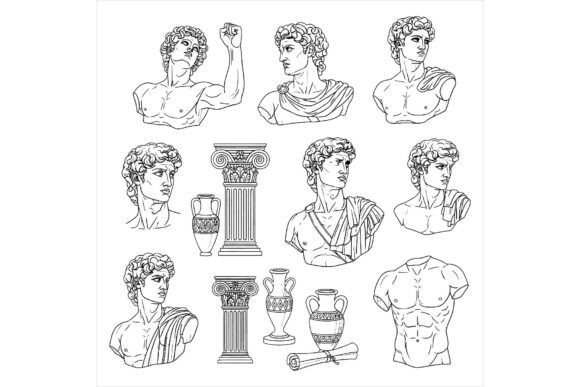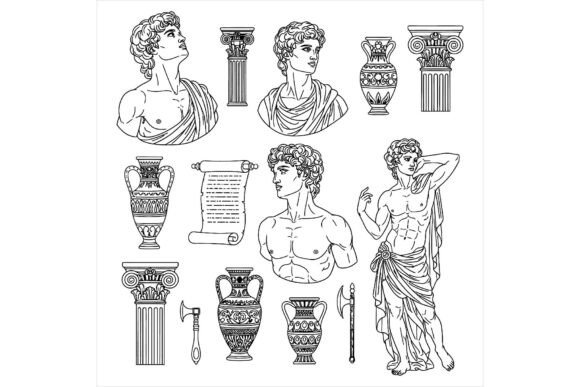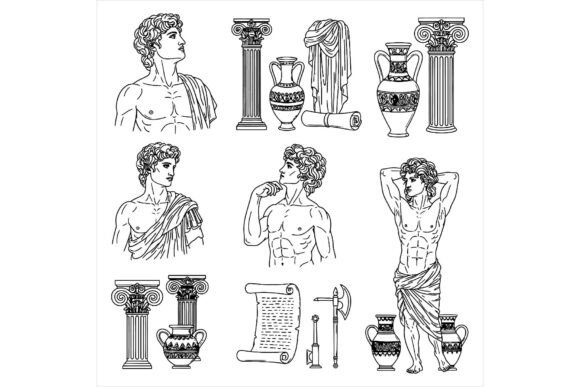
Ancient Greek Illustrations of Statues: A Practical Review for Digital Sellers
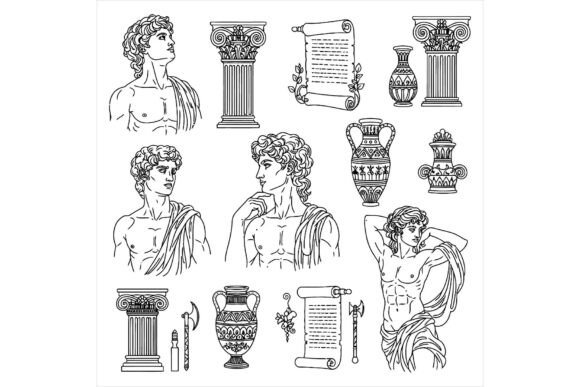
As a digital product creator with years of experience in crafting and selling design assets, I recently came across Ancient Greek Illustrations of Statues and decided to test them out for potential use in my next product line. These illustrations have a distinct visual personality that immediately caught my eye—classic, refined, and rich in historical detail. If you're considering this asset for your Etsy shop, print-on-demand collection, or Canva template bundle, here’s how it stacks up from a real-world seller perspective.
First Impressions and Niche Appeal
The first thing I noticed about Ancient Greek Illustrations of Statues is their elegant aesthetic. They don’t scream for attention like some modern graphic design assets do; instead, they exude a timeless charm that appeals to a specific audience. Think history buffs, educators, interior designers looking for decorative elements, or those who appreciate classical art in a stylized format.
This set feels more premium than casual, which means it could work well for products targeting an upscale niche. The visuals are bold enough to stand out but not so ornate that they overwhelm the layout. For small business branding or handmade businesses aiming to evoke a sense of sophistication, these illustrations can serve as a strong foundation.
Real-World Applications Across Products
I tested these illustrations on several product types before finalizing their use. Here's what I found:
- SVG Products: Ideal for Cricut projects, especially when creating wall decor or framed prints. The clean lines and intricate details cut smoothly on cardstock and vinyl.
- PNG Designs: Great for t-shirt graphics and tote bag prints. The transparency allows for easy layering with other design elements without losing clarity.
- Clipart Bundles: These illustrations add a unique touch to educational materials or themed planners. They fit nicely into layered compositions and look fantastic when paired with serif or script fonts.
- Sublimation Designs: Worked well on mugs and tumblers. The colors retained vibrancy after printing, and the motifs complemented minimalist ceramic designs.
- Printable Wall Art: Their large-scale appeal makes them perfect for high-quality downloads. Customers love having a ready-to-print option that looks museum-worthy in their home spaces.
- Planner Stickers: Some pieces were too detailed for tiny sticker formats, but a few simplified versions worked great for adding texture and character to bullet journals.
- Greeting Cards and Invitation Templates: Added a touch of class to holiday cards and wedding invites aimed at a mature or culturally aware demographic.
Themed Collections and Seasonal Use
One of the strongest aspects of Ancient Greek Illustrations of Statues is their adaptability to themed bundles. I paired them with other historical assets for a "Classical Elegance" collection, which performed better than expected on Etsy. They also lent themselves well to seasonal themes—imagine using them subtly in autumn or winter collections for a rustic yet refined look.
For brand consistency, they integrate nicely into existing layouts if your brand identity leans towards the handmade, educational, or luxury lifestyle sectors. The mood is consistent across all files, helping maintain a cohesive feel in product listings and marketing materials.
Product Presentation Tips for Online Marketplaces
When preparing listing images for Etsy or Creative Fabrica, I always prioritize visual hierarchy and click-through potential. Here's how I approached showcasing these illustrations:
- Mockup Previews: Used high-res mockups of printed mugs, t-shirts, and posters to show the illustration in context. This helps buyers visualize the final product.
- Thumbnail Appeal: Created multiple thumbnails with varying color schemes and font pairings to see which ones stood out most. A muted background with a single statue illustration worked best for me.
- Listing Images: Combined the illustrations with soft gradients and minimal text to keep the focus on the design itself. This approach boosted perceived value and reduced bounce rates.
- Design Bundle Packaging: Grouped them with related assets like mythology symbols and architectural patterns. Buyers often look for thematic variety, and this helped justify a higher price point.
Visual Storytelling and Customer Trust
These illustrations aren’t just decorative—they tell a story. That kind of depth is powerful in building customer trust and increasing engagement. When selling digital paper packs or scrapbooking kits, the narrative aspect of Ancient Greece made the designs feel intentional and meaningful. It also gave me an edge when writing content for social media templates and blog graphics, where storytelling is key.
Where These Illustrations Shine
After testing across platforms, I found Ancient Greek Illustrations of Statues performing best in the following areas:
- Large Product Previews: Especially for wall art and poster downloads where the full detail can be appreciated.
- Themed Bundles: Perfect for collections around history, education, or luxury home décor.
- Decorative Layouts: Worked beautifully in planner inserts, greeting cards, and packaging design with a vintage twist.
- Merchandise Graphics: T-shirt and mug designs had strong visual impact due to the contrast between the statues and solid-colored bases.
- Marketplace Listings: Their structured style fits well into professional-looking Etsy shops and creative marketplaces.
Where Caution Is Needed
While these illustrations are versatile, there are certain limitations to consider:
- Tiny Sticker Details: Not all illustrations scale down well. Some lose clarity when used as micro-decal elements.
- Crowded Thumbnails: Avoid placing too many statues in one image unless you’re going for a maximalist look. Simplicity sells better on competitive marketplaces.
- Dark Backgrounds: The white tones in the PNG files can appear washed out on darker surfaces. Test variations with overlays or outlines to improve contrast.
- Text-Heavy Templates: Don’t use them as focal points in Canva templates with lots of written content. Instead, let them serve as accents to elevate the overall design.
- Low-Resolution Prints: Make sure to check the file resolution before offering them for physical products. Some print-on-demand services require 300dpi or higher for sharp output.
Technical Testing for Commercial Use
Before publishing any listing, I recommend doing the following checks:
- Test the SVG on your Cricut or Silhouette machine to ensure smooth cutting, especially on curved surfaces.
- Preview the PNG on both light and dark backgrounds to assess visibility and contrast.
- Check the sublimation compatibility by printing on different materials like ceramic and polyester blends.
- Confirm the commercial license allows resale in your intended format (e.g., stickers, wall art, merchandise).
- Inspect file organization—do they come in clearly labeled layers or groups? Good file structure makes all the difference for your customers.
Font Pairing Suggestions for Design Assets
These illustrations have a classic feel, so pairing them with the right typography is essential. Here are some combinations I found effective:
- Serif Fonts: Best for formal invitations or luxury product listings. Try Georgia or Garamond for a refined look.
- Sans Serif Fonts: Clean and modern. Works well for printables or tech-related products. Helvetica or Lato are safe choices.
- Script Fonts: Adds elegance to greeting cards or hand-lettered designs. Limit usage to short phrases to avoid clutter.
- Handwritten Fonts: Gives a personal touch to planner stickers or DIY kits. Look for styles that balance playfulness with readability.
- Display Fonts: Bold options can enhance the dramatic effect of the illustrations. Use sparingly to highlight titles or key phrases.
Final Thoughts for Digital Product Creators
Ancient Greek Illustrations of Statues are a solid addition to any design library if you're targeting a niche that values elegance and historical inspiration. While they may not be ideal for every product type, especially those requiring fine detail in small formats, they offer strong versatility when used thoughtfully.
Remember to test each design in your intended format and audience context. Use them in product mockups to gauge buyer interest, and always ensure the commercial license supports your planned use case. With the right presentation and application, these illustrations can help elevate your digital product offerings and contribute to a more professional-looking creative marketplace listing.